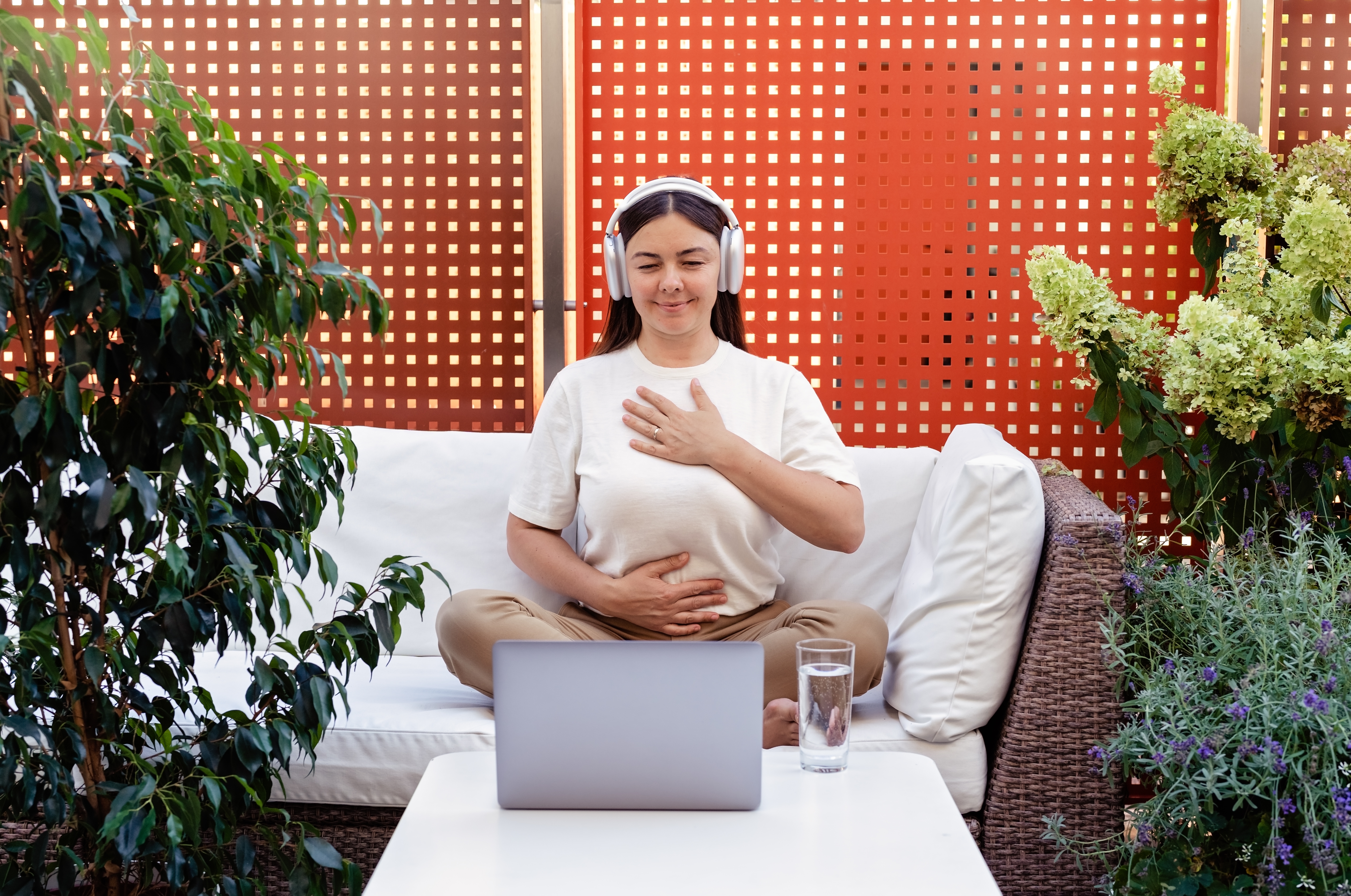
Lifelong Learning Benefits for Personal Growth, Work, and Wellbeing
Lifelong learning is not only for school or career changes. This guide explains how ongoing learning supports confidence, adaptability, wellbeing, and a more engaged life.
The benefits of lifelong learning go far beyond collecting certificates or filling spare time. Ongoing learning can help you stay mentally active, build confidence, adjust to change, and keep a stronger sense of purpose through different stages of life.
This guide is for first-time learners and experienced learners alike, especially those returning to study through self-paced online courses. Whether you want to support your work, improve your wellbeing, or learn for personal interest, lifelong learning gives you a practical way to keep growing at your own pace.
Why lifelong learning matters at every stage of life
Many people think learning belongs to youth, formal education, or major career changes. In practice, it often becomes more useful as life gets fuller. Adults learn to solve current problems, care for their health, improve communication, deepen professional skills, or return to interests they put aside years ago.
Because adult learning is usually connected to real life, it can feel more meaningful than study done only to pass an exam. A manager may study wellness leadership to support a team better. A practitioner may refine hands-on skills. Someone else may start meditation, stretching, or mindful eating to feel steadier day to day. The learning is different, but the pattern is the same: new knowledge becomes useful when it connects to how you live.
The personal benefits of lifelong learning
One of the clearest benefits is confidence. Learning something new reminds you that ability is not fixed. You may begin awkwardly, forget things, or need extra time, but steady practice shows that progress is still possible. That matters for both beginners and experienced professionals.
Greater self-awareness. Learning often helps you notice your habits, limits, strengths, and interests more clearly.A self-awareness workbook can support that reflection with guided prompts.
More mental flexibility. When you keep learning, you get more comfortable not knowing something yet. That makes it easier to adapt when plans, work demands, or life circumstances change.
A stronger sense of purpose. Small study goals can add structure to your week and bring energy to everyday life, especially when the topic matches what matters to you.
More satisfaction in daily routines. Learning does not have to be intense to be useful. A short mindfulness lesson, a stretching practice, or a reflective worksheet can change how you move through the day.
These personal gains are often underestimated because they build gradually. Still, they affect how you make decisions, handle setbacks, and relate to yourself over time.
How lifelong learning supports work and professional growth
Work changes fast, even when your job title does not. New tools, shifting team needs, and rising expectations mean that staying still can feel harder than learning. Lifelong learning helps you keep your skills current and your thinking useful.
For leaders, learning can improve how they support others. The Wellness Wisdom for Leaders course focuses on modeling healthy practices, supporting work-life balance, and creating a culture that strengthens team wellbeing. For HR professionals and workplace champions, learning can also become a practical tool for building healthier systems, not only individual habits.
It helps you stay relevant without waiting for a crisis or forced change.
It builds problem-solving skills by exposing you to new methods, language, and perspectives.
It improves communication because learning often sharpens listening, reflection, and patience.
It can open fresh paths, whether that means advancing in your field or exploring a new direction.
Professional growth does not always mean chasing bigger titles. Sometimes it means becoming steadier, clearer, and more capable in the role you already have.
Learning and wellbeing are closely connected
Lifelong learning also supports wellbeing when the subjects you choose help you care for your body and mind. This can include meditation, movement, nutrition, emotional resilience, or reflective practices that make daily life feel more manageable.
A good example is the mindful meditation course, which introduces ways to quiet the mind, reduce stress, and reconnect with the present moment. Another example is learning through movement. A gentle practice such as Qi Gong videos can support awareness, mobility, and a sense of calm through regular practice.
What matters here is consistency. When learning leads to small repeated actions, it can shape how you sleep, focus, eat, recover from stress, and care for your energy. That makes learning part of wellbeing, not a separate task sitting on your to-do list.
How to make lifelong learning sustainable
People often stop learning not because they lack interest, but because they expect too much too quickly. A sustainable approach is smaller and steadier. Pick one topic that fits your current life. Set a modest routine. Give yourself room to return after interruptions.
Choose a clear reason for learning. You are more likely to continue when the goal is specific, such as reducing stress, improving leadership, or building a new practice skill.
Start with a manageable format. Mini-courses, short videos, and worksheets are often easier to keep up with than an overpacked schedule.
Build a repeatable habit. Even fifteen focused minutes a few times a week can be enough when done consistently.
Use support when you need it. If self-paced study feels difficult, this guide to succeeding in self-paced learning offers practical starting points.
Let your goals change. The subject that serves you today may not be the one you need next year, and that is part of learning for life.
What to do next
Pick one area of your life that would benefit from steady attention, then choose one learning resource to match it. If you want a broad place to begin, browse the course catalog and start with something small enough to finish. Lifelong learning works best when it becomes part of ordinary life, one useful step at a time.